What to Do When School Isn’t Closed But Roads Are Icy

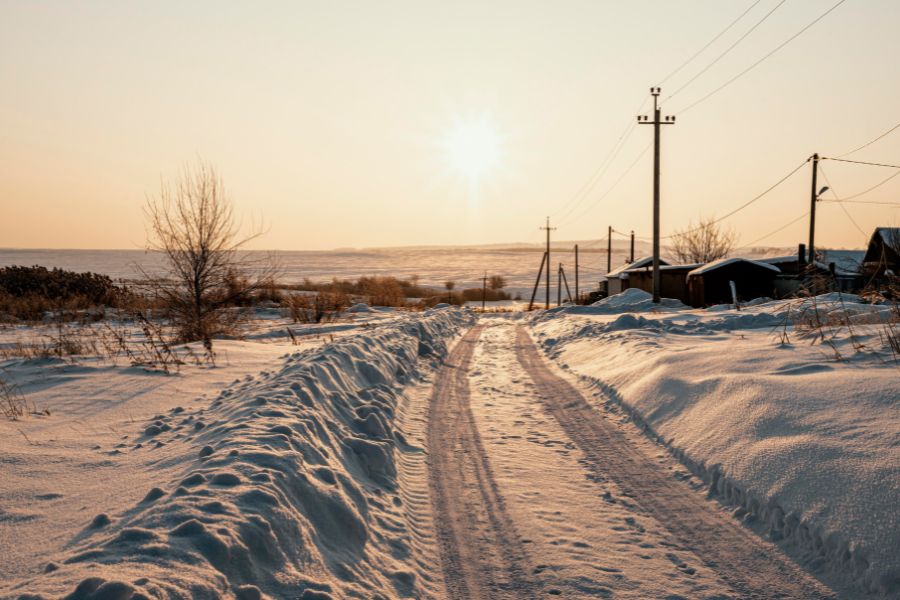
Few situations cause more stress for parents and teachers than waking up to find roads coated in ice—only to hear that school is still in session. While heavy snowfall often triggers closures, icy roads are more unpredictable and sometimes overlooked in school district decisions. That leaves families facing tough choices: should students attempt to get to class, or is safety the priority?
As a meteorologist who has studied winter storms and school closures for over two decades, I’ve seen how icy conditions complicate these decisions. This guide offers practical strategies for parents, students, and teachers when schools remain open despite hazardous travel conditions.
Why Schools Stay Open Despite Icy Roads
It can be frustrating when icy roads don’t lead to closures, but there are reasons behind these decisions:
- Localized conditions: Ice may cover rural routes but not city streets, making closures inconsistent.
- Timing issues: Ice often develops overnight and may melt by mid-morning, leading districts to gamble on conditions improving.
- Academic priorities: Districts try to minimize lost instructional time, especially during standardized testing seasons.
- Resource constraints: Some areas lack enough plows, salt, or staff to manage icy roads before classes begin.
Understanding these factors doesn’t make icy commutes safer, but it explains why schools sometimes remain open.
Step 1: Assess Safety Before Leaving Home
Parents are the first line of defense in determining whether it’s safe for their child to travel. Before leaving:
- Check local traffic updates and municipal salt-truck activity.
- Look outside your neighborhood, not just your driveway—main roads may be clearer, or in some cases worse.
- Consult trusted resources like NOAA updates, local meteorologists, and ice warnings.
If conditions appear unsafe, parents are justified in keeping children home, even if schools remain open.
Step 2: Explore Transportation Alternatives
When buses or regular routes seem risky, families can consider alternatives:
- Carpooling: A neighbor with a safer vehicle (like an AWD car) can make the commute easier.
- Walking groups: In urban neighborhoods, walking carefully in groups can be safer than driving.
- Public transit: In some cities, buses or trains may be safer than navigating icy side streets.
Teachers and parents should also coordinate, as carpools reduce the number of vehicles on slick roads.
Step 3: Communicate with the School
If icy roads prevent attendance, contact the school immediately. Many districts have “inclement weather excused absence” policies. Teachers often allow makeup work or virtual participation.
- Call attendance lines early to avoid confusion.
- Ask teachers if digital assignments can substitute for missed work.
- Check school websites for updates on potential late arrivals or early dismissals.
Schools generally appreciate proactive communication, and policies often allow flexibility in hazardous conditions.
Step 4: Prepare Teen Drivers
For high schoolers who drive themselves, icy roads present real dangers. Parents should emphasize:
- Driving slower than posted speed limits.
- Avoiding sudden braking or sharp turns.
- Leaving extra following distance for stopping.
- Keeping emergency kits in their cars (blanket, flashlight, sand or kitty litter for traction).
According to NHTSA data, icy roads cause 150,000+ crashes annually in the U.S., making education essential for young drivers.
Step 5: Create a Backup Learning Plan
If students stay home for safety, they can still make progress:
- Check district portals for online resources.
- Use at-home study routines, like journaling or reviewing notes.
- Access supplemental resources such as Khan Academy or Newsela.
Tools like the Snow Day Calculator also help families anticipate when icy conditions might align with closures, giving them a chance to plan backup learning in advance.
Step 6: Plan for After-School Safety
Icy roads don’t always improve by dismissal time. Parents should:
- Coordinate pickups early if conditions are expected to worsen.
- Encourage children to stay on cleared sidewalks rather than shortcuts.
- Monitor weather apps to anticipate refreezing after sunset.
When possible, families may choose early dismissal or pickup to avoid afternoon accidents.
Step 7: Advocate for Policy Improvements
Parents and teachers can push districts to improve their response to icy roads. Suggestions include:
- More transparency: Posting criteria for delays or closures.
- Hybrid learning: Using virtual days when ice is widespread.
- Improved road monitoring: Collaborating with local governments for real-time updates.
Districts that engage with community feedback often adopt policies that better reflect real travel risks.
Why Personal Judgment Matters Most
Ultimately, parents must weigh safety over policy. Even if schools remain open, the responsibility to decide what’s safe lies with families. Districts cannot account for every neighborhood, but families know their local roads best.
Conclusion
When icy roads make commuting unsafe, parents, students, and teachers need strategies beyond relying on school closure announcements. By assessing conditions, exploring alternatives, communicating with schools, and preparing for at-home learning, families can prioritize safety while minimizing academic disruption.
Schools may not always close when ice coats the roads, but informed planning empowers families to make the best decisions for their children.