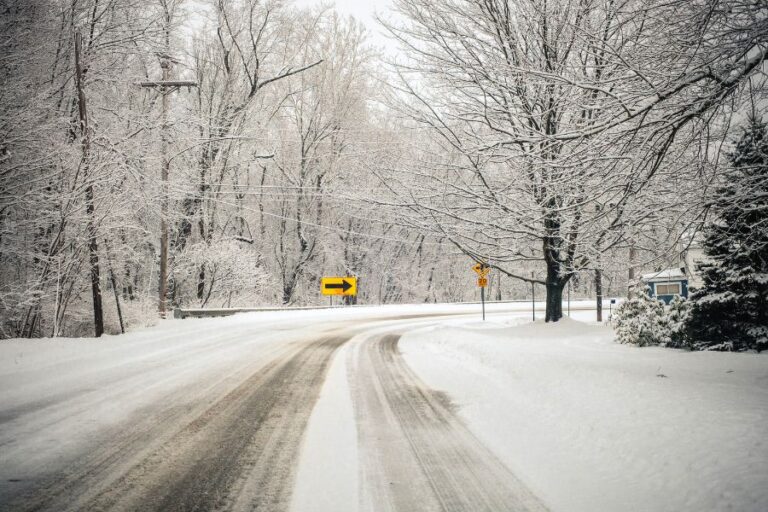
The Science Behind Snow Day Predictions


For many students, a snow day feels like magic: wake up, look outside at the snowfall, and hope school is canceled. But behind every cancellation—or decision to stay open—there’s real science at play. Snow day predictions aren’t about lucky guesses; they’re based on meteorological data, probability modeling, and decades of historical patterns.
As a meteorologist who has forecasted snow day probabilities for over 20 years, I know that predicting closures involves much more than measuring snow. In this post, I’ll explain the scientific process behind snow day predictions and how families can use this knowledge to plan ahead.
Step 1: Analyzing Weather Models
The foundation of snow day predictions lies in numerical weather models, which simulate the atmosphere using physics equations. The most commonly used include:
- GFS (Global Forecast System): Provides long-range guidance on snowstorms.
- NAM (North American Mesoscale Model): Focuses on short-term detail, crucial for timing snowfall.
- HRRR (High-Resolution Rapid Refresh): Updates hourly, excellent for tracking storm intensity.
Forecasters compare multiple models to see if they agree. Consistency across models increases confidence in snowfall predictions.
Step 2: Measuring More Than Snow
Snow accumulation isn’t the only factor in snow day decisions. Predictors also consider:
- Ice accumulation: Just 0.25 inches of ice can be more dangerous than six inches of snow.
- Wind chill and temperature: Extreme cold can make walking or waiting at bus stops unsafe.
- Storm timing: Snow falling during morning or afternoon commutes is more disruptive than overnight storms.
These variables add layers of complexity that models must account for.
Step 3: Evaluating Road Conditions
Meteorological forecasts only tell half the story. School districts need to know whether buses can safely navigate roads. This depends on:
- Snow plowing and salting schedules.
- Traffic density in urban vs. rural areas.
- Geography, such as hilly terrain or narrow country roads.
Predicting how fast roads will be cleared requires both science and local knowledge.
Step 4: Applying Probability Models
Modern snow day predictions rely on probability rather than certainty. Instead of declaring “school will close,” predictors assign a percentage chance based on historical trends. For example:
- 20% chance = Schools likely remain open.
- 60% chance = Moderate chance of closure depending on road clearing.
- 90% chance = Highly likely closure.
These probabilities are generated by comparing forecast data with past school decisions under similar conditions.
Step 5: Considering Regional Differences
What closes schools in one region may not matter in another. For instance:
- Northern states like Minnesota often stay open with 6–8 inches of snow.
- Southern states like Georgia may close with just 1–2 inches due to lack of plows.
- Mountain regions factor in elevation changes and steep roads, making closures more frequent.
Regional context is critical when interpreting predictions.
Step 6: Real-Time Updates
The science of snow day predictions is dynamic. Forecasts are updated every few hours as new data arrives. That’s why many tools refresh their probabilities hourly, giving parents and students the most current outlook.
This is where resources like the Snow Day Predictor come in handy. By combining real-time weather updates with historical closure data, these tools provide a more accurate and localized probability than relying on raw forecasts alone.
Step 7: The Human Element
Even with all the science, the final decision comes down to school superintendents and local officials. Their judgment can be influenced by:
- Safety concerns from bus drivers.
- Input from local police and public works departments.
- Community expectations about closures.
This human element adds unpredictability, which is why snow day predictions are framed as probabilities rather than guarantees.
Why Understanding the Science Matters
For parents, students, and teachers, knowing the science behind snow day predictions offers real benefits:
- Parents can prepare backup childcare or remote work plans.
- Teachers can set up contingency lessons.
- Students can manage their expectations (and maybe finish that homework just in case).
Science transforms snow days from surprises into informed possibilities.
Conclusion
Snow day predictions blend meteorology, probability modeling, road condition analysis, and human judgment. By understanding this process, families can better prepare for closures and appreciate the science that guides these critical decisions.
Next time a storm looms, you’ll know that the percentage chance of a snow day is built on a careful balance of data, history, and local context—not just wishful thinking.