Understanding Local School District Policies on Snow Days

Snow days are a familiar part of winter life in many regions, but what often goes unnoticed is the complexity behind the decision-making process. Parents may assume school closures are based solely on snowfall totals, while students simply celebrate the chance to sleep in. In reality, local school districts have detailed policies and guidelines that determine whether schools stay open, delay start times, or close altogether.
As a meteorologist who has forecasted winter storms for over 20 years, I’ve studied how weather conditions interact with school district policies. In this post, we’ll explore how districts evaluate risks, the role of community safety, and why closures vary so widely between neighboring areas.
Why School District Policies Matter
School closures affect not just students, but also parents, teachers, bus drivers, and entire communities. Understanding district policies provides clarity and helps families prepare. Policies typically aim to balance two priorities:
- Safety – Ensuring that students, especially those reliant on bus transportation, can travel safely in winter conditions.
- Continuity of Learning – Avoiding excessive closures that disrupt academic schedules and test preparation.
Districts design policies to strike a middle ground, though interpretations differ widely depending on local conditions.
Key Factors That Influence School District Decisions
1. Road Conditions and Transportation Safety
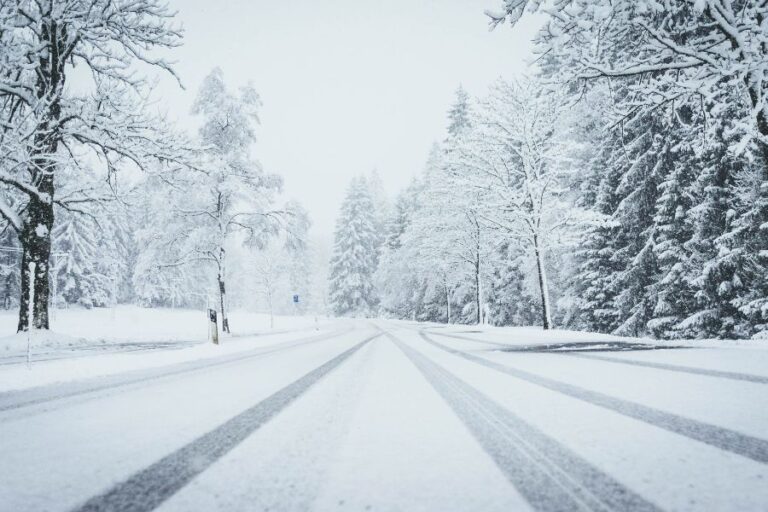
The condition of roads is often the deciding factor. Even if snowfall totals are moderate, icy or unplowed roads can make bus routes dangerous. District officials consult local transportation departments, police, and sometimes even bus drivers to assess real-time conditions.
2. Timing of the Storm
Snow falling during the morning commute (5–8 AM) creates higher closure probabilities than snow that ends at midnight. Timing is often more important than accumulation.
3. Available Resources
Districts with larger budgets may have fleets of plows and salted roads ready before dawn. Rural or smaller districts may struggle to clear roads in time, leading to more closures.
4. Local Climate Norms
Expectations differ by geography. Six inches of snow in Minnesota might mean business as usual, while two inches in North Carolina could shut down schools. Policies adapt to what local communities can realistically handle.
5. Student Safety Beyond Roads
Policies also consider walking routes, sidewalks, and school parking lots. Even if main roads are clear, icy walkways near schools can lead to closures or delays.
Policy Examples from Across the U.S.
The Northeast: Safety-First Approach
Districts in Massachusetts, New York, and Pennsylvania tend to close with 6–8 inches of snow or any significant ice. Safety-first policies often mean closures are called early, sometimes the night before.
The Midwest: Resilient but Flexible
Minnesota, Wisconsin, and Michigan schools have high snow tolerance. Policies emphasize staying open unless there are blizzards, dangerous wind chills, or more than 10 inches of snow.
The South: Low Tolerance for Snow and Ice
Districts in Georgia, Texas, and North Carolina often close with just 1–2 inches of snow or freezing rain due to limited snow removal resources.
Mountain States: Geography Matters
Colorado and Utah districts consider elevation and road steepness. A Denver district may remain open, while a nearby mountain district closes under the same storm.
Pacific Northwest: Wet Snow Challenges
In Oregon and Washington, heavy wet snow and slushy roads frequently cause delays. Policies here are sensitive to freezing rain and refreezing overnight conditions.
The Role of District Leadership
School superintendents typically have the final say on closures. They consult weather forecasts, road crews, and community leaders before making a decision, often around 4:30–5:30 AM.
Interestingly, leadership philosophy matters. Some superintendents lean toward minimizing closures, citing academic continuity, while others adopt a conservative stance, prioritizing safety even if forecasts are uncertain.
Equity and Accessibility in Snow Day Policies
Not all students experience closures equally. Districts often account for:
- Bus-reliant students – Long rural routes are more vulnerable to unsafe travel.
- Low-income families – Closures can mean missed meals for students reliant on school lunches.
- Technology access – In the era of remote learning, snow days may shift into virtual days, but not all households have equal internet access.
These considerations are reshaping policies, with many districts now balancing safety with social support systems.
Why Policies Differ Between Neighboring Districts
Parents often wonder why one district closes while another, just a few miles away, stays open. The differences usually come down to:
- Geography – Hilly terrain may be unsafe while flat areas are manageable.
- Resource availability – One district may have more plows or better salt supply.
- Leadership risk tolerance – Different superintendents interpret the same forecast differently.
This explains why neighbors may face very different school closure outcomes during the same storm.
Planning Ahead as Parents and Teachers
Understanding district policies allows families and educators to prepare. Parents can:
- Sign up for district alert systems.
- Familiarize themselves with snow day thresholds in their area.
- Create backup childcare or work-from-home plans.
Teachers can prepare snow day modules or digital lessons to minimize learning loss.
This is where resources like the Snow Day Predictor are especially useful. By combining real-time weather data with historical district closure trends, parents and teachers can anticipate closures with greater confidence.
Policy Trends in 2025 and Beyond
Looking ahead, more districts are adopting hybrid snow day policies:
- Virtual Snow Days – Replacing closures with remote instruction when possible.
- Flexible Start Times – Delaying openings by 2 hours instead of full closures.
- Transparency in Decision-Making – Districts publishing criteria to explain closure decisions to parents.
These shifts reflect the growing role of technology and equity in closure policies.
Conclusion
Snow day decisions are more complex than simply measuring snowfall. District policies weigh road safety, storm timing, available resources, leadership philosophy, and equity considerations. By understanding these policies, families and educators can better prepare for closures—and even anticipate them before official announcements.